Innovative Research Infrastructure for a Climate-Neutral Energy Supply -
WTZ Roßlau gGmbH is expanding and modernizing its research infrastructure to develop efficient, low-emission large engines for a climate-neutral energy supply. The focus is on innovative combustion processes using alternative fuels such as hydrogen, methanol, and ammonia. State-of-the-art test bench technology, high-performance measurement systems, and expanded testing capabilities are opening up new opportunities for research and development.
Project Objectives
- Expansion of Fuel Supply Systems
- Modernization of Test Bench Automation
- Expansion of Security and Surveillance Systems
- Integration of New Measurement Modules
- Improved Data Collection and Analysis
Expansion of Research Infrastructure
WTZ Roßlau gGmbH is making targeted investments in the expansion of its research infrastructure to develop and test innovative internal combustion engines for a climate-neutral energy supply.
The expansion of test bench capacity and the modernization of technical equipment are creating a high-performance research platform for industry and academia.
A particular focus is placed on the study of modern large-displacement engines with a cylinder output of up to 2,000 kW. The modernized infrastructure enables the development, testing, and optimization of new combustion processes, as well as the integration of alternative fuels.
Fuels of the Future for the Energy Transition
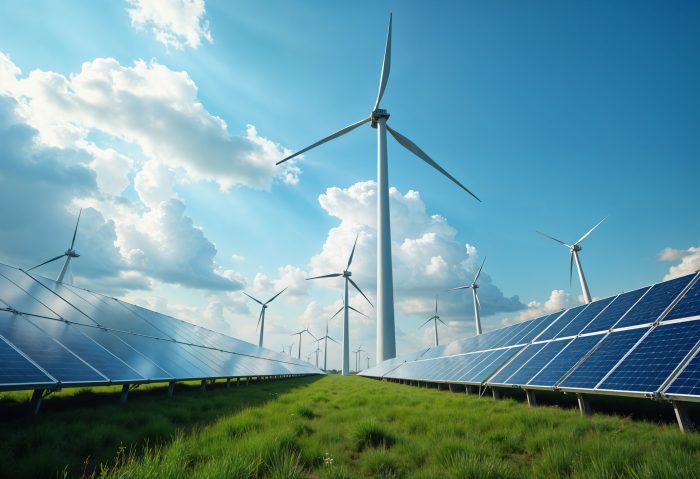
The decarbonization of energy production and transportation requires new, sustainable energy sources. Research is focused on hydrogen, methanol, and ammonia as promising fuels of the future. By developing new combustion processes and adapting modern large-displacement engines to these energy sources, the goal is to create low-emission and efficient propulsion solutions. At the same time, blended fuels are also being investigated to actively support the transition to a climate-neutral energy supply.
Summary
- Expansion of the research infrastructure for large engines with a cylinder power of up to 2,000 kW
- Research on Hydrogen, Methanol, and Ammonia as Climate-Neutral Energy Sources
- Modernization of Test Bench Infrastructure and Test Bench Automation
- Design of High-Performance Fuel, Charging, and Exhaust Systems
- Expansion of Emissions Measurement Technology for New Fuels