
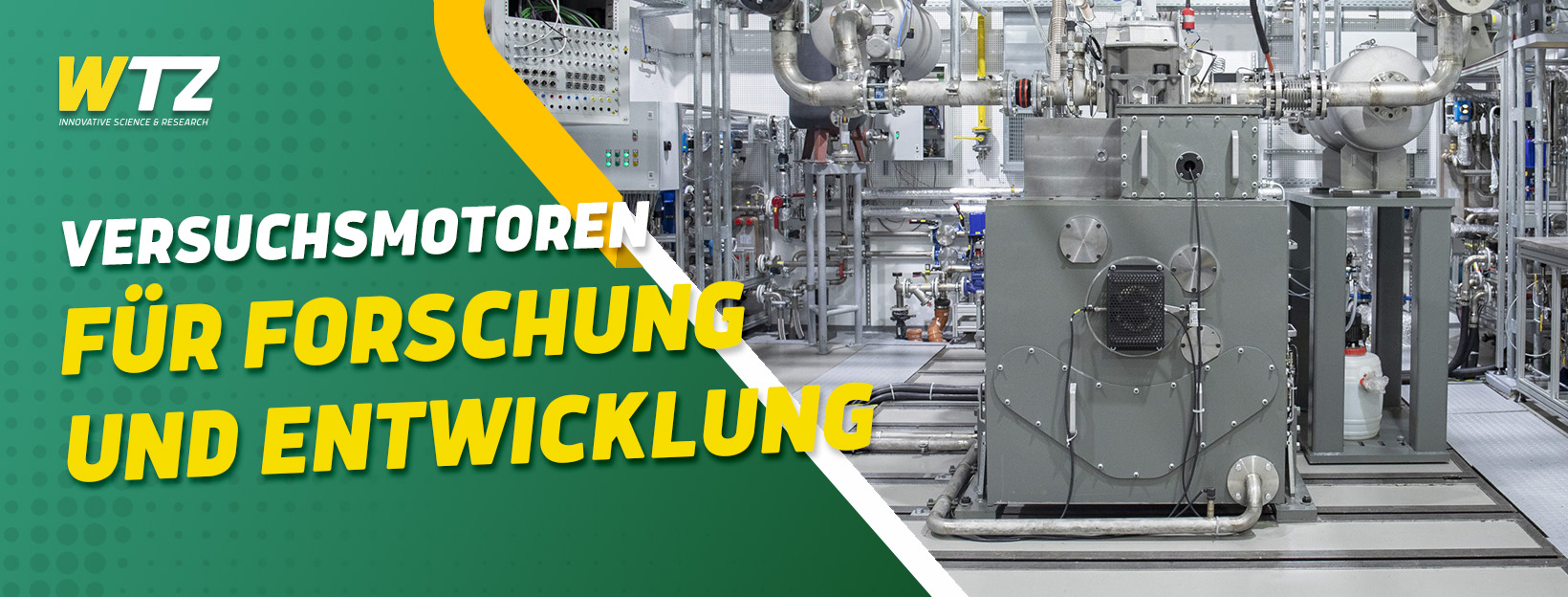
Single-cylinder prototype engines for research and development
The WTZ Roßlau develops and designs high-performance single-cylinder test engines for the research and development of modern internal combustion engines. Thanks to their modular design, these engines allow for flexible investigation of various combustion processes, engine components, and fuels. The focus is on increasing efficiency, reducing emissions, and developing sustainable engine technologies.
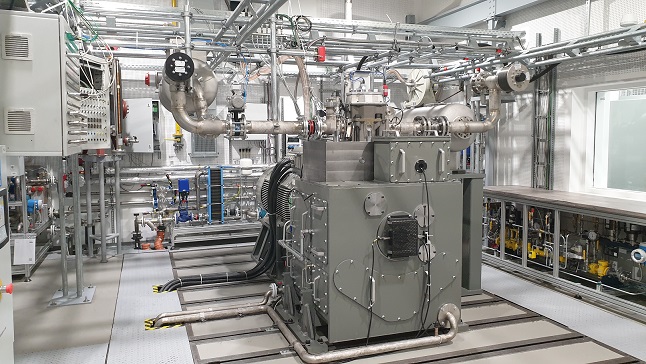
Development and Use of Single-Cylinder Test Engines
The WTZ Roßlau develops and designs single-cylinder test engines for various research and development tasks. The modular design of the engines allows for the use of different piston diameters and strokes.
With displacement ranging from about 2 to 50 liters, our test engines cover a wide range of applications—from commercial vehicle engines to large marine engines.
The research and development of our test engines was supported by funding from the state of Saxony-Anhalt.
Research and Optimization of Combustion Processes
Single-cylinder test engines are used to investigate and optimize new combustion processes, as well as to test and validate engine components
before they are used in full-scale engines.
Our development goals are:
- Increasing Motor Efficiency
- Reduction of Emissions and Pollutants
- Improving the Service Life and Reliability of Engine Components
- Investigation and Optimization of Innovative Combustion Processes
- Validation of new technologies for future full-scale engine development
A particular focus of our research activities is the study of hydrogen as an alternative fuel for future gas engines.
Our Single-Cylinder Test Engines
The Roßlau WTZ has various test engine designs for different power ranges and research requirements.
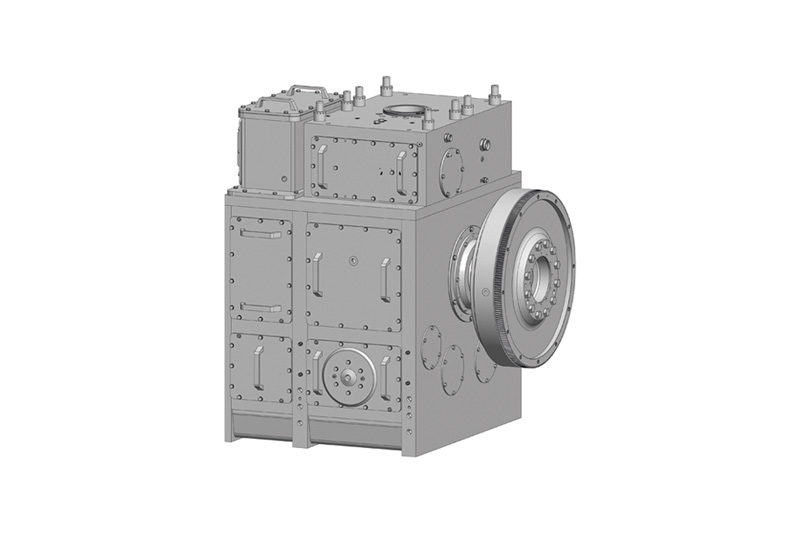
FM18
- Bore: 160 … 185 mm
- Stroke: 180 … 215 mm
- Speed: up to 1,800 rpm
- Peak pressure: 400 bar
- Power: 260 kW
FM24
- Bore: 238 … 275 mm
- Stroke: 216 … 300 mm
- Speed: up to 1,500 rpm
- Peak pressure: 330 bar
- Power: 394 kW
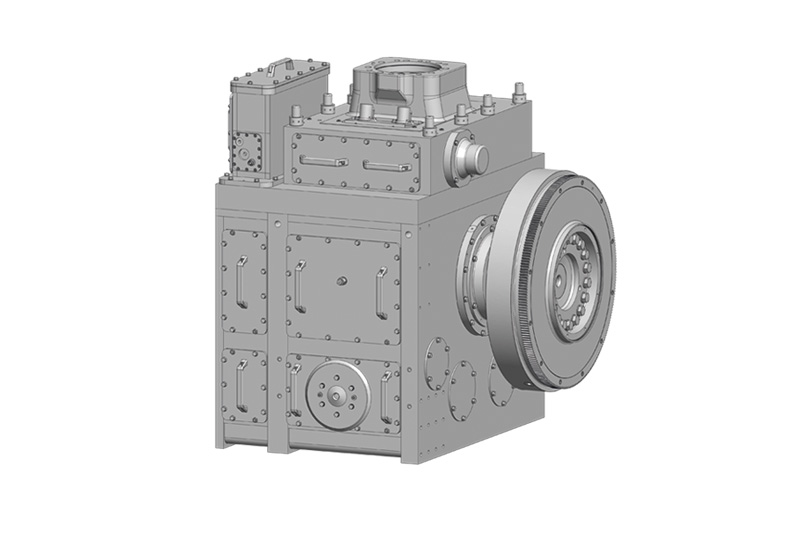
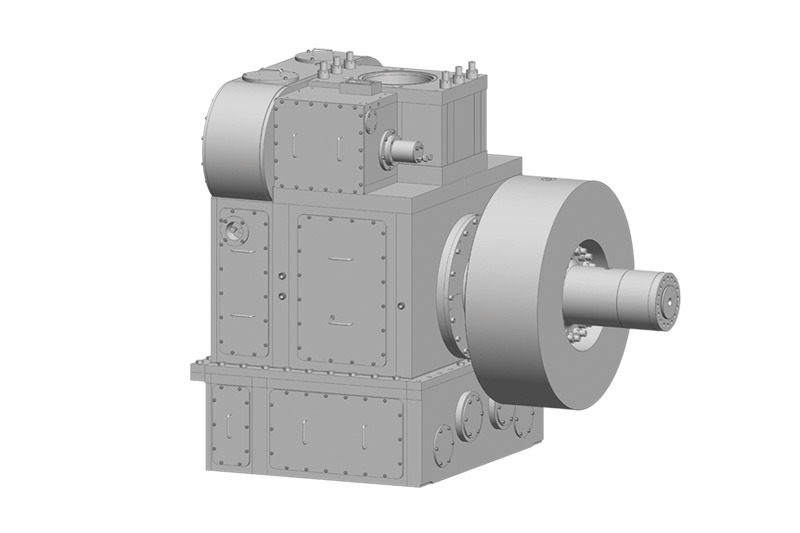
FM35
- Bore: 250 … 350 mm
- Stroke: 320 … 450 mm
- RPM: 1,200
- Peak pressure: 400 bar
- Power: 812 kW
Your Benefits
Our modular single-cylinder test engines offer numerous advantages for research and development projects:
- Shorter development times: Reduced development time for multi-cylinder engines and new engine series
- High flexibility: Quick and easy replacement of test components
- Custom Solutions: Tailoring test benches and test engines to specific customer requirements
- Economic Testing: Lower Test Bench Costs Through Efficient Test Execution
- Resource Efficiency: Reduced Need for Test Components and Operating Materials
With many years of experience in engine research and a wide range of test engines, the WTZ Roßlau supports its partners in the development, testing, and optimization of modern engine technologies.
From the investigation of individual components to the validation of new combustion processes, our test engines provide a flexible foundation for demanding research and development projects.